Industry: Rail Transportation
Challenge: Maintaining a comfortable working environment for train drivers across diverse weather conditions while adhering to the stringent thermal comfort regulations outlined in EN 14813-1. This standard ensures optimal driver well-being and alertness for safe train operation.

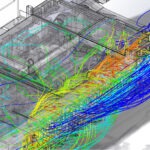
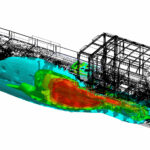
Solution: Our team of engineers employed advanced computational fluid dynamics (CFD) simulations to meticulously analyze the heating and cooling performance within a driver’s cabin design. These simulations provided a virtual environment to assess the effectiveness of various climate control systems under different operating conditions.
Results:
- Rapid Temperature Control: Achieved a significant temperature rise from 0°C to a comfortable 21°C within just 15 minutes under extreme cold conditions as low as -25°C.
- Efficient Cooling Performance: Maintained comfortable cabin temperatures (21°C) even in sweltering hot environments reaching 45°C, ensuring driver comfort during extended periods of high heat.
- Optimized Temperature Distribution: The simulations facilitated the creation of a uniform temperature distribution throughout the cabin, meeting anthropometric requirements for drivers of various heights. This ensures consistent comfort regardless of the driver’s position.
Benefits:
- Enhanced Driver Comfort and Productivity: Maintaining a comfortable thermal environment directly translates to improved driver well-being and focus, ultimately boosting overall productivity and reducing fatigue.
- Compliance with Industry Regulations: The simulations ensured the cabin design adheres to the strict thermal comfort standards set forth by EN 14813-1, guaranteeing regulatory compliance.
- Energy-Efficient Cabin Design: By optimizing the cabin’s heating and cooling performance, the simulations helped create a design that minimizes energy consumption, leading to cost savings and a reduced environmental footprint.
Summary:
This case study exemplifies the effectiveness of CFD simulations in optimizing thermal comfort within driver’s cabins. By simulating various heating and cooling scenarios, engineers can proactively identify and address potential thermal comfort issues early in the design phase. This approach leads to the creation of more comfortable, efficient, and driver-centric cabin environments that promote safety and well-being while adhering to industry regulations.
Discover How We Can Help:
Do you face challenges in ensuring thermal comfort within your vehicle designs? Our team of experts leverages advanced simulation techniques to optimize cabin climate control systems, leading to enhanced driver well-being, regulatory compliance, and energy efficiency. Contact us today to discuss your specific needs and discover how we can help you create superior cabin environments.