Industry: Construction Equipment
Challenge: During the design phase of a new machine, engineers aimed to proactively prevent potential cooling inefficiencies. Traditionally, physical prototypes are used for testing, but they can be time-consuming and expensive at this early stage.

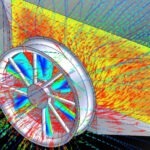
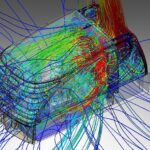
Solution: Computational fluid dynamics (CFD) simulations were employed to analyze potential airflow patterns and pressure losses within a virtual model of the machine’s cooling system. This allowed engineers to:
- Develop virtual model: Create a detailed 3D model of the cooling system, including air intake and exhaust locations, heat sources (e.g., motor, hydraulics), cooling components (e.g., fan, radiator), and surrounding enclosure.
- Simulate airflow: Replicate real-world operating conditions, considering factors like air velocity, temperature, and turbulence.
- Analyze pressure drop: Identify areas of high resistance and quantify the overall pressure drop across the airflow path.
- Evaluate thermal performance: Assess the effectiveness of heat transfer from various components, ensuring optimal cooling is achieved.
Benefits of Early-Stage CFD Simulations:
- Proactive Design Optimization: Identify and address potential cooling issues before physical prototypes are built, saving time and resources.
- Virtual Testing Environment: CFD eliminates the need for costly physical modifications and testing, allowing for exploring design iterations efficiently.
- Detailed Thermal Insights: CFD provides a comprehensive understanding of airflow patterns and pressure distribution within the cooling system, revealing areas for improvement.
- Predictive Capabilities: CFD can predict the impact of design changes on cooling performance, enabling proactive optimization before physical construction.
Outcomes:
The CFD simulations allowed engineers to identify potential issues that could have led to cooling inefficiencies in the final machine:
- Inefficient airflow: The initial design of the airflow path, including the location of air intake and outlet openings, could have disrupted airflow patterns and hindered effective cooling.
- High pressure losses: The layout of components within the enclosure could have resulted in higher-than-anticipated pressure losses, limiting airflow and cooling effectiveness.
- Heat recirculation: The design might have allowed for warm air to recirculate around heat sources, reducing the effectiveness of the cooling system.
Proposed Design Optimization:
Based on the CFD results, engineers were able to propose design modifications to address the potential cooling issues:
- Strategic opening placement: Implementing strategically placed openings in the enclosure could improve airflow and reduce pressure loss.
- Airflow path optimization: Redesigning the airflow path within the enclosure could improve air circulation and cooling effectiveness.
- Cooling component selection: Selecting fans with higher efficiency or radiators with improved heat transfer capabilities could further enhance overall cooling performance.
Impact of Early-Stage CFD Analysis:
By using CFD simulations in the early design stage, engineers were able to:
- Proactively optimize the cooling system design for enhanced cooling efficiency and reduced pressure drop.
- Minimize the risk of overheating by ensuring adequate cooling of critical components.
- Reduce development time and costs by identifying and addressing potential issues before physical prototypes are built.
- Deliver a more reliable and efficient machine with optimal thermal performance.
Call to Action:
Are you facing challenges in designing thermally efficient equipment? Early-stage CFD simulations can provide valuable insights and help you optimize your designs for optimal performance and reliability. Contact us today to discuss how CFD can benefit your product development process.